
testtesttesttesttesttest
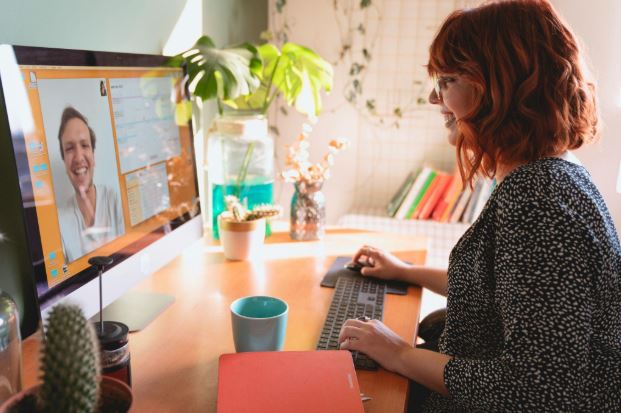
Telehealth Presence: How to Stay Therapeutically Engaged Through a Screen
Category: Professional Development
SEO Package
Title Tag (60 characters): Telehealth Presence: Staying Therapeutically Engaged on Screen
Meta Description (155 characters): Telehealth changes how presence and attunement work. A practical guide for therapists on screen fatigue, camera craft, and what gets lost or gained online.
Primary SEO Keyword: telehealth presence
Secondary Keywords: therapist attunement online, telehealth therapy best practices, screen fatigue therapists, virtual therapy session tips, online therapy clinical skills, telehealth therapist burnout
Long-Tail Keywords: how to be present in telehealth sessions, attunement in virtual therapy, what gets lost in online therapy, camera setup for therapists
Suggested URL Slug: telehealth-presence-how-to-stay-therapeutically-engaged-through-a-screen
Blog Post
By the end of a full telehealth day, most therapists know a particular kind of tired. It is not quite the same as the depletion of back-to-back in-person sessions. It is flatter, foggier, and oddly disembodied. You did the work. You listened well. And still something feels off in a way that is hard to name.
Telehealth is not just in-person therapy delivered through a different medium. It is a distinct clinical environment, with its own demands on presence, attunement, and stamina. Most of us learned the platform basics quickly. What gets less attention is the craft underneath-the small, deliberate choices that determine whether a session feels alive or whether both of you are quietly waiting for the hour to end.
What the Screen Actually Changes
The therapeutic relationship runs on far more than language. In a shared room, you read posture shifts, breathing, micro-movements of the hands and jaw, the energy a client carries through the door, the way they settle into the chair. The screen filters most of that out. You are left with a face, a voice, and whatever sliver of body is visible in frame.
Attunement does not disappear online. It has to be rebuilt with fewer materials. That is the clinical task most worth refining-and the one most likely to drift unexamined as telehealth becomes routine.
What Gets Lost-and What Can Be Gained
It is worth being honest about what telehealth costs. Subtle somatic information is harder to track. Silences land differently-and shorter-when there is no shared room to absorb them. Beginnings and endings lose the natural transitions of a waiting room and a walk to the door. Your own nervous system has fewer cues to read, which can lead to either over-reading what is on screen or quietly tuning out.
There are real gains too, and they are worth naming. Clients often disclose differently from their own space. You catch glimpses of their life-a pet, a partner walking past, the art on their wall-that an office never reveals. Access expands for clients with chronic illness, caregiving demands, transportation barriers, or social anxiety severe enough that getting to an office is itself a hurdle. Some clients are more honest on a screen, not less.
The goal is not to debate which medium is "better." It is to practice each one well.
Refining Your Camera Craft
A few small adjustments tend to do a disproportionate amount of clinical work.
Place your camera at eye level. A laptop on a desk almost always positions you looking down at the client, which reads as authority or detachment. Raise the camera until it is level with your eyes. This single change shifts the felt quality of contact more than any other.
Decide where to look. True eye contact on video is impossible-looking at the client's eyes means looking away from your camera. Many therapists develop a soft rhythm: looking near the camera when speaking, looking at the client's face when listening. Naming this once with a new client ("you may notice I look slightly off-that's the camera angle, not me looking away") can spare a lot of unspoken transference.
Frame yourself like a person, not a portrait. Show from mid-chest up, with some room above your head. Clients need to see your hands, your breathing, the small shifts in your posture. A tight face-only frame strips out the embodied cues they are unconsciously tracking.
Mind your light and your background. Light from behind you turns you into a silhouette. Light in front of you, even from a window, brings your face forward. Backgrounds should be calm but human-neither an empty white wall nor a busy room. Clients tell you, often without words, that they want to know they are with a person.
Attunement at a Distance
Because somatic information is reduced, you have to work it harder.
Slow your pace slightly. The natural rhythm of a conversation tightens online; silences feel longer than they are. Letting a beat sit-two seconds longer than feels comfortable-gives the client room to find the next thing, and it tells their nervous system that nothing has to be rushed.
Track your own body more deliberately. When you cannot rely on shared room energy, your own regulation becomes the primary instrument. A grounded therapist is felt through a screen. A scattered one is felt too.
Name what you cannot see. "I can't see your hands right now-what are you noticing in your body?" It is a small clinical move that brings somatic awareness back into the room and reminds the client that you are still tracking them as a whole person, not just a face.
Protecting Yourself Against Screen Fatigue
Telehealth fatigue is not a character flaw. It is a measurable phenomenon. Sustained close-range eye contact, the absence of full-body movement, and the cognitive load of compensating for reduced cues all draw down stamina faster than in-person work.
A few protections matter. Build true breaks between sessions, not just clicks between tabs. Stand up. Look at something more than ten feet away. Drink water you actually wanted. Consider clustering telehealth days rather than mixing modalities all week, if your practice allows. Notice which clients leave you most depleted online and ask, with curiosity, what that is telling you.
Telehealth Is a Skill, Not a Default
Most of us did not train for this. We adapted to it, often quickly, often well. But adaptation is not the same as mastery. The therapists who do this work most sustainably treat telehealth as its own clinical discipline-one with techniques worth refining, costs worth respecting, and gifts worth using.
TherapyCloud is built to support therapists across the full arc of modern practice-connecting you with peers, continuing education, and tools designed for the realities of how therapy is delivered today. If you have been doing telehealth well but quietly carrying its weight alone, a community of colleagues working through the same questions can make the craft feel collaborative again.
Sources: American Psychological Association telehealth guidelines; American Telemedicine Association practice guidelines; clinical literature on therapeutic alliance in video-based psychotherapy.
Image Suggestions
Top pick: "The Therapist's Workspace, Eye-Level Camera" A clean, calm therapy workspace as seen from behind or beside the therapist — a laptop or monitor at eye level on a small stand, soft window light, a plant or notebook in frame, no client visible on screen (or a tasteful out-of-focus silhouette). Conveys craft and intentionality. Lets the reader see what "doing this well" looks like.
Strong alternates:
1. Therapist on Camera, Mid-Session — A composed adult facing a webcam, framed mid-chest up with warm soft lighting and a calm but human background (bookshelf, neutral wall, a single piece of art). Demonstrates the camera framing the post is actually teaching. Best for hero placement.

2. Hands on Notebook, Laptop in Soft Focus — Close-up of a therapist's hand resting near a notebook with a laptop slightly out of focus in the background. Suggests presence and reflective work without showing a face. Useful if you want a hero image that does not feature a specific person.
3. Window Light, Cup of Tea, Closed Laptop — Captures the "between sessions" reset moment the screen-fatigue section talks about. Quietly aspirational; pairs well with the post's care-for-yourself thread.
Style notes:
Warm, professional, intentional — not corporate stock
Avoid clichés: stethoscope-style "therapist holding a clipboard," dramatic head-in-hands burnout shots, or staged Zoom-grid screenshots
30–55 age range, diverse representation, neutral attire
Soft natural light over harsh ring-light look — the post is partly about lighting choices, so the image should model the principle
16:9 ratio, ~1200×675 px
Alt text for SEO: A therapist's calm telehealth workspace with an eye-level camera and soft window light — illustrating intentional clinical presence in online therapy sessions.